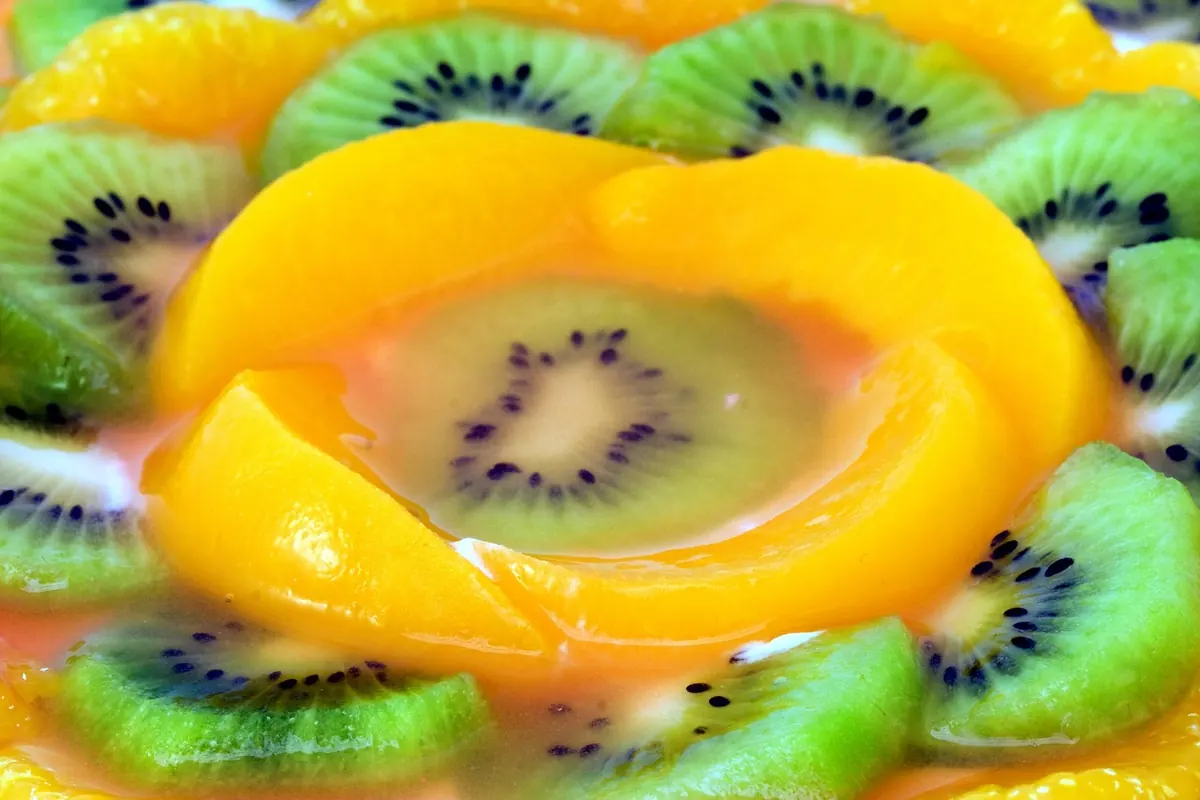

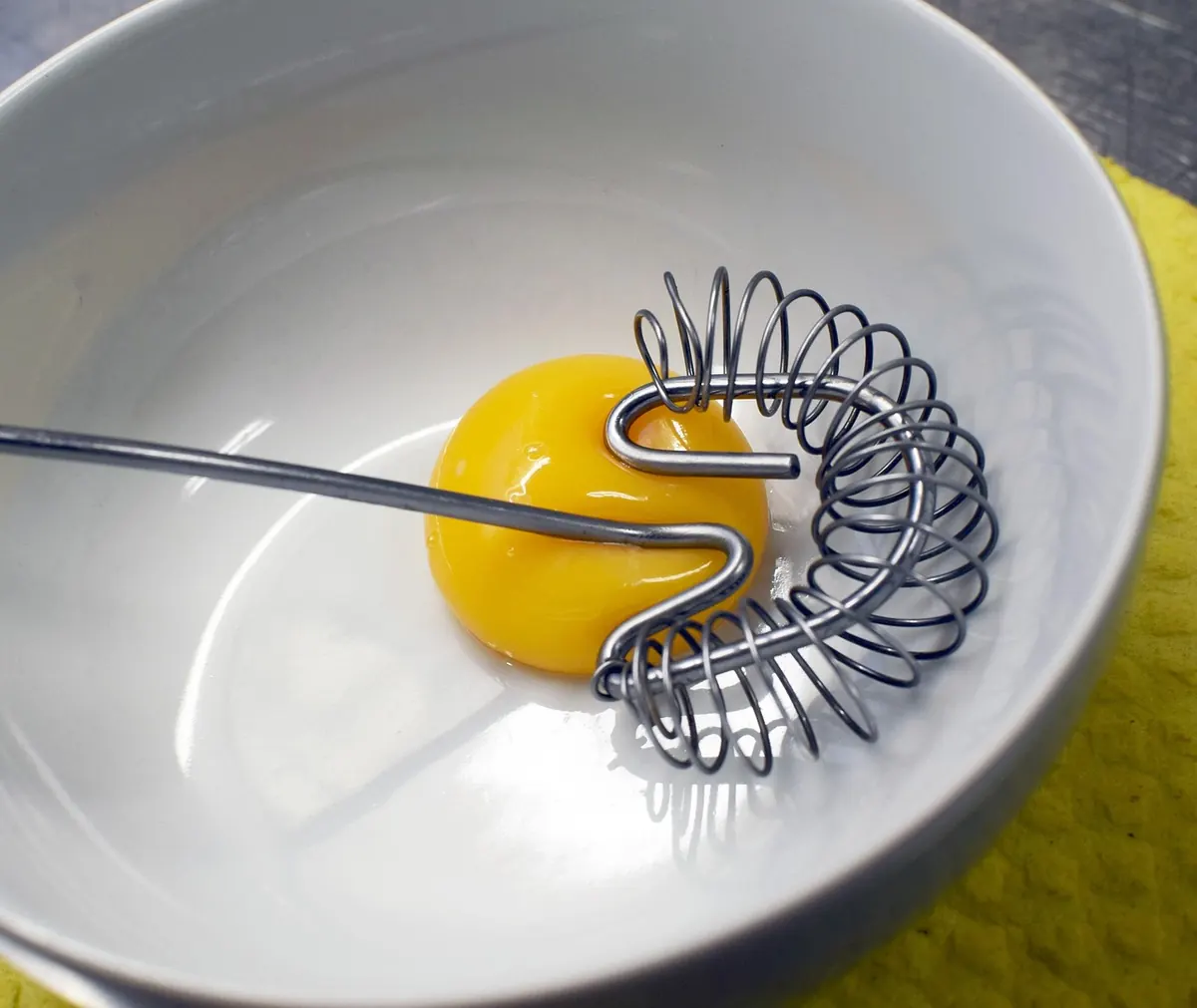
Custard is one of the few desserts that punishes impatience immediately. You can bake a cake slightly too long and still serve it with confidence. Leave a custard on the heat for an extra thirty seconds and you're spooning sweet scrambled egg into a sieve. The window between silky and ruined is narrow, but it is also entirely predictable once you know what each failure is telling you.
Almost every custard problem comes down to four things: temperature, the ratio of eggs to liquid, how the mixture is stirred, and how it is cooled. Fix those and you fix the custard. Here are the ten mistakes that cause the most trouble, and what to do about each one.
Curdling: The Split You Can Sometimes Save
Curdling happens when the egg proteins bind together too tightly and squeeze out the liquid around them. Heat is the usual culprit — pushing past roughly 85°C (185°F) — but acid and rapid pouring can do it too. Adding cold dairy to eggs all at once, or dumping hot milk into a bowl of yolks, creates the same result: a lumpy, grainy mess.
The fix starts before the heat. Whisk your eggs and sugar until completely smooth, then temper: pour the hot dairy in a thin stream while whisking constantly, and only then return everything to the pan. Cook over low to medium-low heat and never stop moving the whisk, especially in the corners and base of the pan where heat concentrates.
If it does split, act immediately:
- Pull the pan off the heat and plunge the base into a bowl of iced water to stop the cooking.
- Whisk hard for twenty seconds. A slightly split custard often comes back together.
- If it stays grainy, strain it through a fine sieve, pressing lightly.
- For a sauce, blend the strained custard for a few seconds — it will lose a little body but regain smoothness.
Graininess: Usually a Stirring Problem
Grainy custard is curdling's quieter cousin. It often comes from under-whisking at the start, when unincorporated egg white or undissolved sugar cooks into tiny firm specks. It also comes from cooking too fast, from using whole eggs where yolks alone would do, and from skipping the strain.
Whisk the eggs and sugar thoroughly before any dairy touches them, strain the finished custard even if it looks smooth, and choose yolks for delicate sauces and ice cream bases. Yolks carry fat that keeps the mixture supple; whites are mostly protein, and protein is what tightens.
Weeping: When Liquid Pools Around the Custard
Weeping — that thin puddle around a baked custard or under a slice of custard tart — is a sign the proteins were overcooked or cooled too quickly. The network contracts, and water that should have stayed suspended gets pushed out.
Bake custards in a water bath with hot, not boiling, water, and pull them while the centre still wobbles as a single mass. Then let them cool gradually in the water bath before refrigerating. Sudden cold shocks the structure. A little cornstarch in the mix — about a tablespoon per 500ml of liquid — helps bind the water and makes the whole thing far more forgiving.
Overcooking: Learn the Doneness Signals
Most people overcook custard because they're waiting for it to look obviously done. It never does. Instead, learn the cues:
- Crème anglaise: it coats the back of a spoon, and a finger drawn through the coating leaves a clean line that holds.
- Baked custard: the edges are set and the centre jiggles like set jelly when the dish is nudged.
- Thermometer: 80–85°C (175–185°F) is the sweet spot. Remove it below that; carryover heat finishes the job.
- Knife test: inserted an inch from the edge it comes out clean, while the very centre still looks moist.
If your custard has already gone firm and rubbery, it can't be un-cooked — but it can be repurposed. Blend it into ice cream base, fold it into a trifle, or use it as the filling for a chilled tart where a denser texture reads as intentional.
Getting the Ratio Wrong
Too many eggs gives you a rubbery, eggy-tasting set; too few gives you soup. As a rough starting point, use about four yolks per 500ml of milk for a pouring custard, and one whole egg per 125ml of dairy for a baked one. Sugar matters too: plenty of it tenderises the custard, but an excess stops it setting properly, so don't simply pile it in to mask an eggy flavour.
Skin, Lumps and Flat Flavour
A skin forms whenever the surface is exposed to air while hot. Press a piece of cling film directly onto the surface, or cool the custard with a light dusting of sugar across the top. Lumps usually mean starch added to hot liquid or egg that scrambled before it was tempered — whisk starch into cold liquid first, and always strain.
Flat flavour is easy to solve. Steep vanilla, citrus zest or spices in the dairy and warm it gently before combining, add a small pinch of salt to sharpen everything, and finish sauces with a knob of butter off the heat for gloss and richness.
Habits That Prevent Most Custard Problems
Set out everything before you turn on the heat. Use a heavy-based pan, keep the flame low, and keep a thermometer within reach — guessing the temperature is where most custards are lost. Have an ice bath ready before you start cooking, not after something goes wrong.
And taste as you go. Custard gives you plenty of warning if you're paying attention: it thickens at the edges first, it starts to smell faintly of cooked egg just before it turns, and it tightens under the whisk. Learn those signals and you'll stop cooking by the clock and start cooking by feel. That's the point at which custard stops being risky and becomes one of the most reliable things you make.
Photo: MariaGutebring / Pixabay