
Custard is patient. It will accept almost anything you drop on it — berries, caramel, a handful of toasted almonds — and still taste like custard. That tolerance is also the trap. Pile on three sweet, soft, heavy things and you get a bowl of sweet, soft, heavy nothing. The trick is knowing what each topping actually does. Fruit brings acid, nuts bring salt and fat, sauces bring flavour, crunch brings contrast. Cover those four jobs and custard becomes a proper dessert instead of a vehicle for leftovers.
Match the Topping to the Custard Style
A thin pouring custard behaves nothing like a firm baked one, and the toppings should change accordingly. Pouring custard is loose and fluid, so anything you add will sink; that is fine in a bowl, where the fruit and sauce mingle, but useless in a glass where you want visible layers.
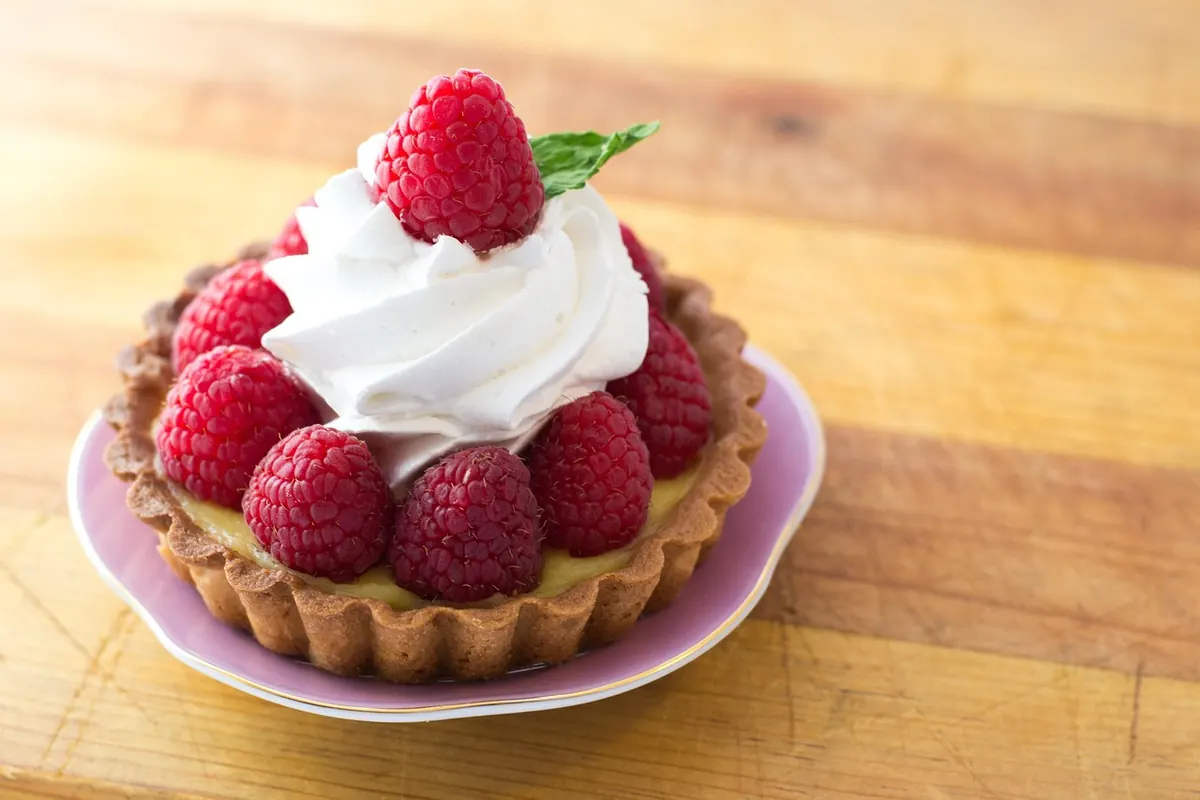
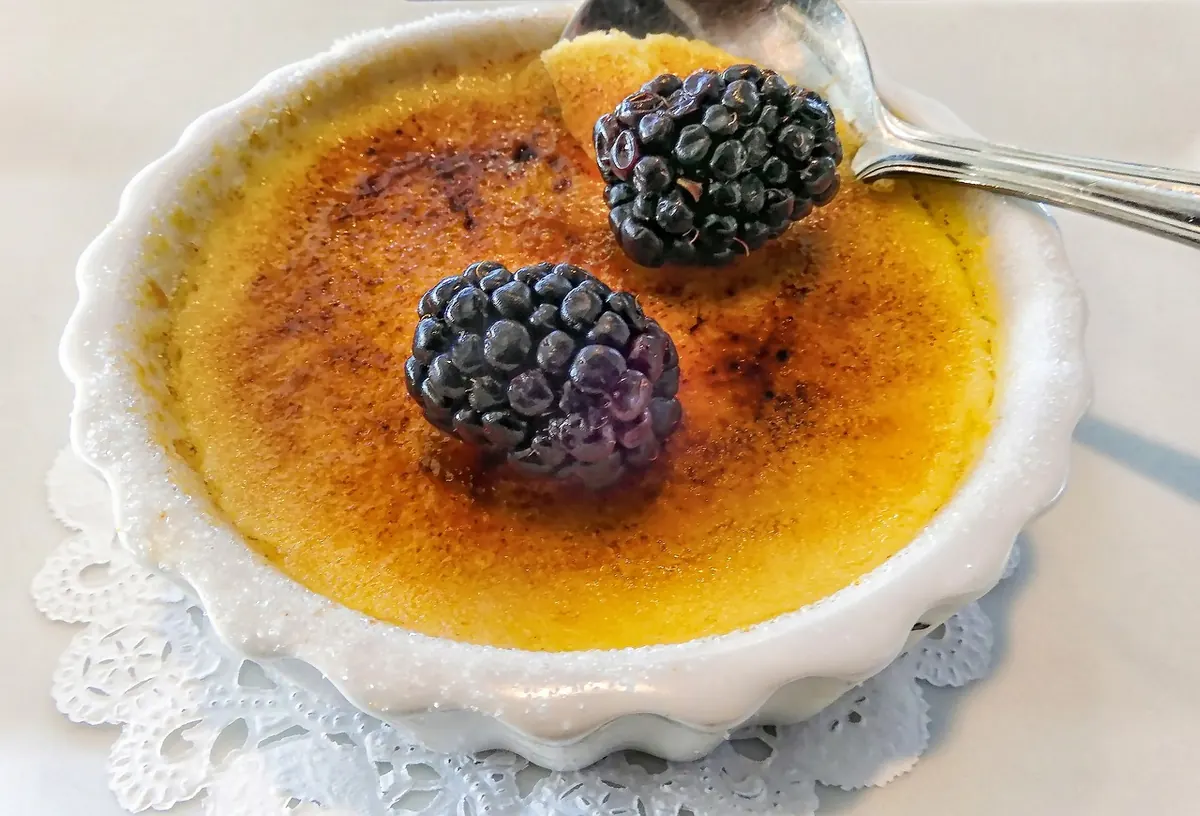
Baked and set custards — crème brûlée, pots de crème, custard tarts, vanilla slices — hold their shape and can carry weight on top. They also tend to be richer, which means they want sharper, lighter toppings. A custard tart with raspberries and a scrape of lemon zest works; the same tart buried under chocolate sauce and cream does not.
Temperature matters too. Cold custard with warm fruit or warm caramel gives a contrast you can feel. Warm custard with cold fruit does the same in reverse. Either is good; room-temperature everything is the only dull option.
Fresh Fruit: Acid, Juice, and a Little Restraint
Fruit is the most useful topping you have, because custard has almost no acidity of its own. Without it, a bowl tastes flat no matter how much vanilla you used.
Berries and soft fruit
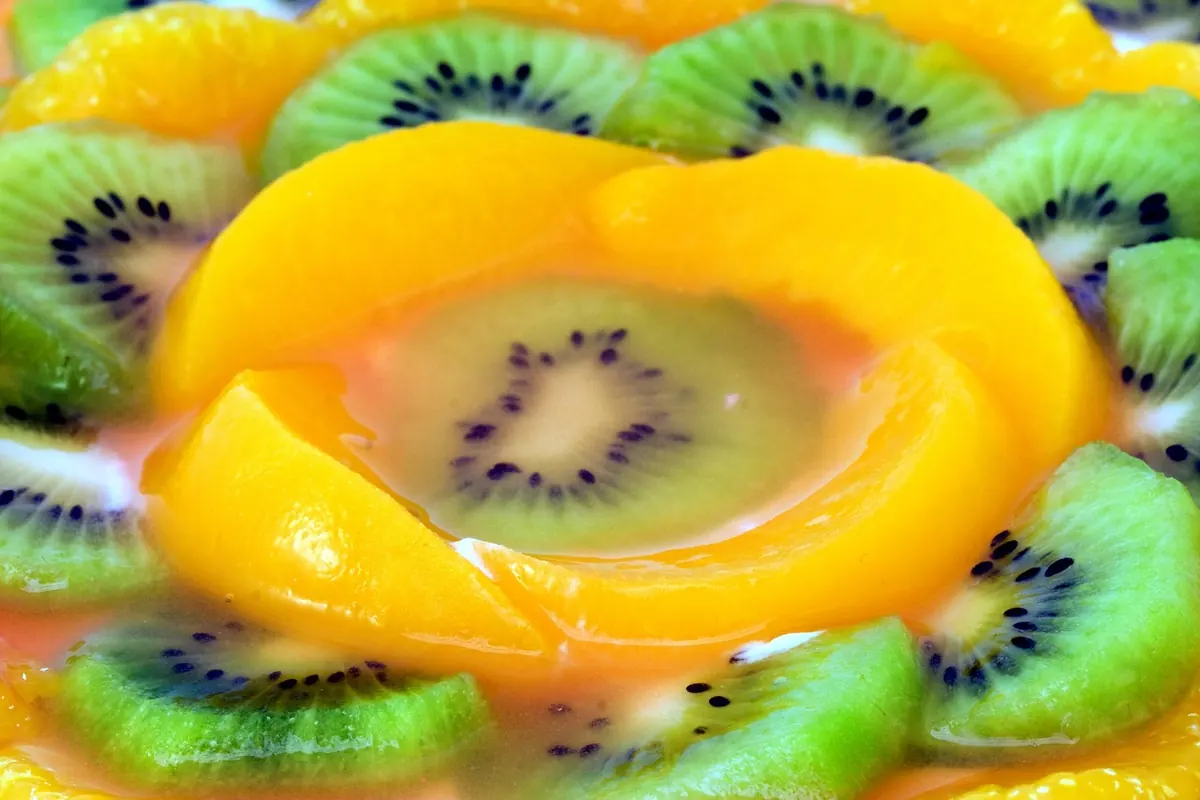
Raspberries, blackberries, and redcurrants are the sharpest and the easiest. Slice strawberries, toss them with a teaspoon of sugar, and leave them for fifteen minutes; the syrup that forms is worth spooning over the custard along with the fruit. Blueberries need help — a squeeze of lemon and a pinch of salt wakes them up.
Stone fruit, tropical fruit, and poached options
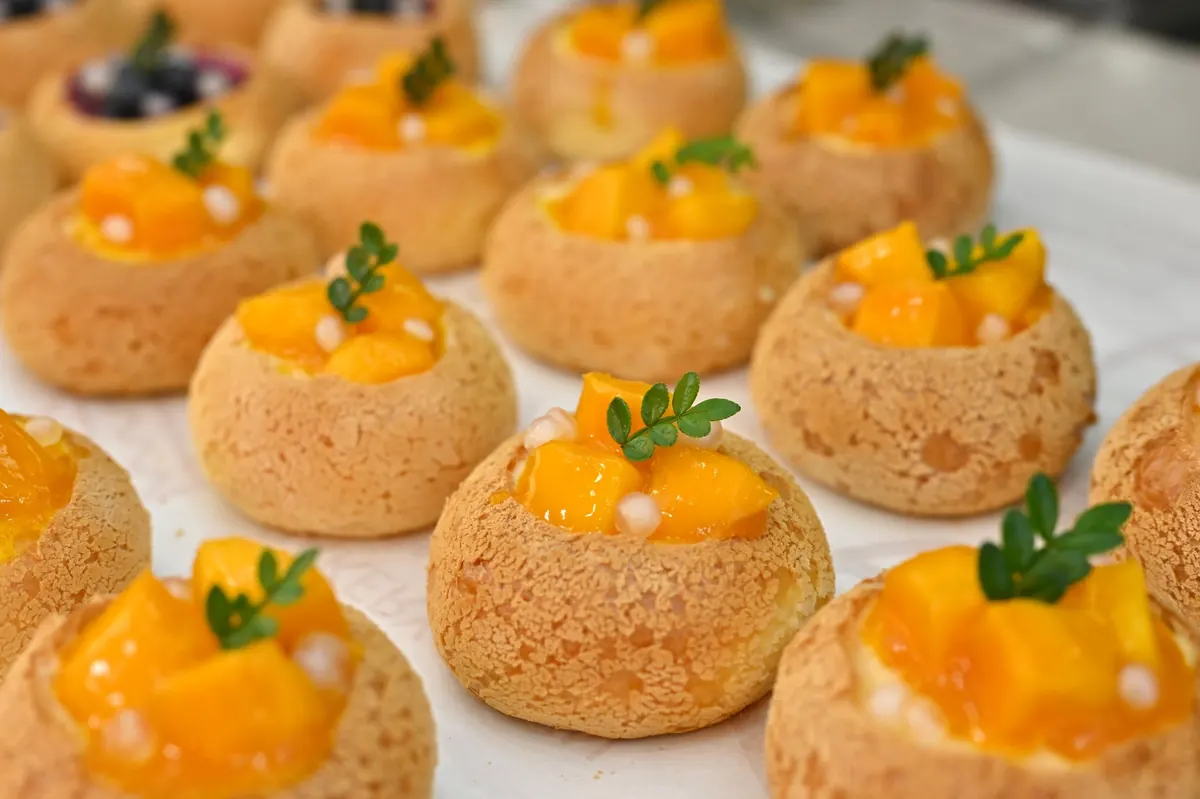
Peaches, apricots, plums, and cherries are better cooked than raw on custard. Roast halved peaches with a little butter and honey, or poach cherries in red wine and a strip of orange peel, then cool them. Mango and passion fruit are the tropical shortcut: spoon the pulp over vanilla custard and stop there. Banana works if you add lime, otherwise it just adds sweetness to sweetness.
One practical note: pat wet fruit dry before it goes near a set custard, and add juicy fruit like melon only at the moment of serving. Watery fruit will thin a custard and make a tart soggy within an hour.
Nuts: Salt, Fat, and Toast
Nuts do two jobs at once — they bring salt and they bring crunch — which makes them the most efficient topping on this list. Toast them first. Dry pan, medium heat, moving them constantly, or a 160°C oven for eight to ten minutes. Toasted nuts taste sweeter and deeper, and the difference is not subtle.
Match the nut to the custard rather than to the fruit. Flaked almonds suit a plain vanilla or almond custard. Pistachios, roughly crushed, are excellent with orange blossom or rose. Hazelnuts belong with chocolate. Pecans and walnuts work with maple and brown sugar. Salted peanuts, chopped coarsely, are a genuinely good topping for a dark chocolate custard — the salt cuts the richness faster than any fruit will.
Keep the portion small. A tablespoon or two per bowl, scattered rather than poured. Nuts are a seasoning here, not a salad.
Sauces: One Sweet, One Sharp
The usual mistake is two sweet sauces in the same bowl. Caramel plus chocolate plus honey is three versions of the same idea. Choose one sweet sauce, then add something sharp or bitter alongside it.
- Salted caramel — warm, thin enough to ribbon, finished with flaky salt. Best on vanilla, coffee, or banana custard.
- Chocolate ganache — keep it dark and slightly bitter, and pour it warm over cold custard.
- Fruit coulis — raspberry, blackcurrant, or mango, blended and sieved. Sharp, bright, and the fastest way to fix an over-sweet custard.
- Lemon curd or citrus zest — a spoonful rather than a pour. Zest stirred into the custard itself counts as a topping in spirit.
- Maple or honey — use sparingly and only with nuts or something tart to balance them.
Thin your sauce so it drizzles instead of blobs, and add it at the table. Sauce poured twenty minutes early will soak in and disappear.
Crunch: The Texture That Saves a Soft Dessert
Custard is soft. Without something crisp, every spoonful feels the same, and people lose interest halfway through the bowl.
Shortbread crumbs, crushed amaretti, ginger biscuits, toasted oats, honeycomb, broken meringue, thin tuiles, toasted coconut, and even lightly crushed cornflakes all work. So do cocoa nibs, which add bitterness as well as snap. Crumbs beat whole biscuits, because they distribute through the custard rather than sitting on top of it.
Add crunch last, always — at the table if you can. If you are serving in a glass, layer a little crunch in the middle as well as on top.
Build a Balanced Bowl in Three Steps
- Taste the custard first. If it is already sweet, lean tart with fruit, coulis, or zest. If it is restrained, a caramel or chocolate sauce has room to work.
- Cover the jobs, not the surface. Aim for one acid, one salty or bitter element, and one crunch. Two toppings plus a sauce is usually plenty; three plus a sauce is a mess.
- Decide what goes on cold and what goes on hot. Warm fruit or warm sauce over chilled custard is the most reliable combination.
A few pairings worth stealing:
- Vanilla pouring custard: raspberries, crushed pistachios, a thread of honey.
- Chocolate custard: salted caramel, toasted hazelnuts, a little orange zest.
- Lemon or baked custard tart: blackberries, shortbread crumb, a spoonful of crème fraîche.
- Coffee custard: cocoa nibs, flaked almonds, maple drizzle.
- Rhubarb custard: ginger biscuit crumb and a pinch of flaky salt.
The Last Five Minutes
Most of the work is done before anyone sits down: nuts toasted, fruit macerated, sauce warmed, crumb made. Keep the custard cold until the moment it is needed, and keep the crunch in a separate bowl.
If you are feeding a crowd, serve the toppings in small dishes and let people build their own. It takes the pressure off you and it usually produces better bowls, because people know what they like. Leftovers keep well if you store the custard and the wet toppings separately and add the crunch fresh the next day.
And if you are managing sugar or salt intake for a medical reason, that is a conversation for your doctor or dietitian rather than a dessert page. For everyone else, portion size does more work than any swap — a modest bowl with two good toppings beats a large one with five.
Photo: JunHao Yuan / Pexels